
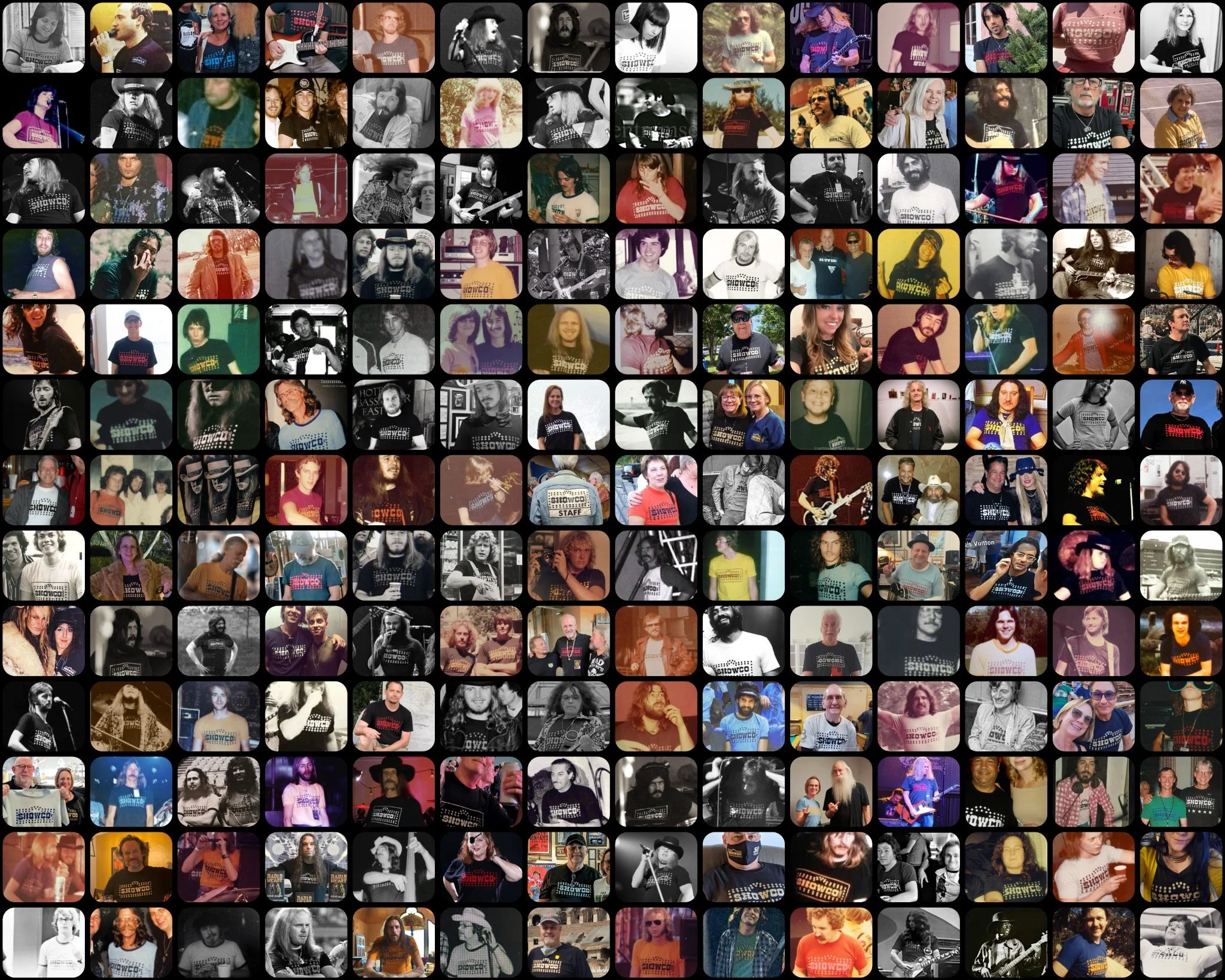
The Family Behind the Music
From Dallas concert promoters to touring sound pioneers—and the birthplace of Vari-Lite—Showco helped shape how the world experienced live music.
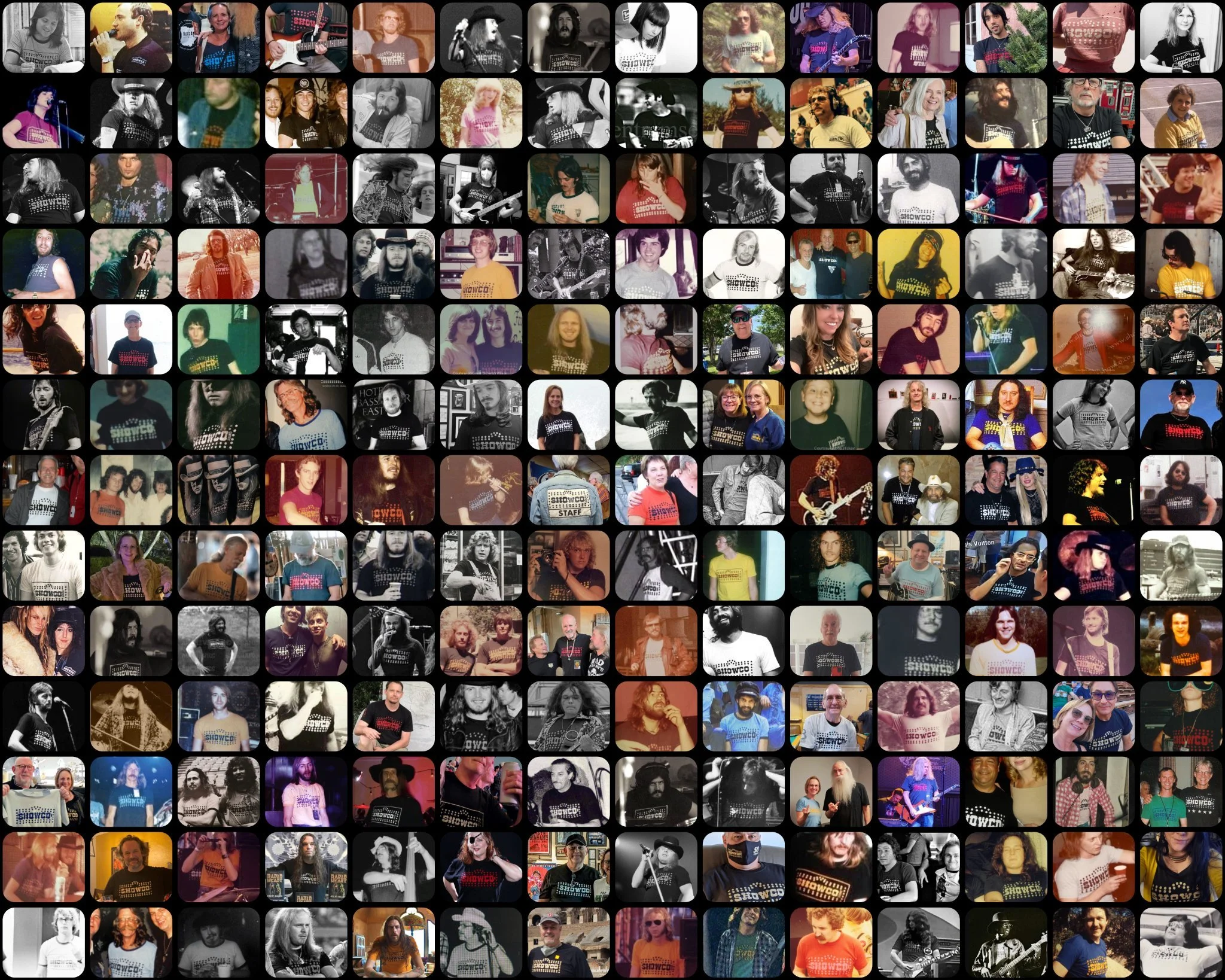
When the concerts grew, someone had to build what came next.
As rock music moved into larger halls, arenas, and stadiums, audiences grew faster than the equipment available to serve them. Musicians needed to hear themselves. Fans needed to hear the music. Crews needed systems they could transport, assemble, operate, and repair under the pressure of a touring schedule.
Showco became one of the companies that met that challenge.
Its story brought together musicians, entrepreneurs, engineers, designers, and road crews who understood that concert equipment had to work again the next night, in another city, with another crowd waiting outside.
Dallas beginnings
Showco’s roots reach into the Dallas music scene of the mid-1960s, when Angus Wynne III and Jack Calmes built a concert-promotion and talent-booking business. Their partnership brought major artists to North Texas, connected musicians and audiences, and helped create the relationships from which Showco grew.
Soul City, the Greenville Avenue nightclub they opened in 1967, was part of that world. So was the Texas International Pop Festival, which Wynne, Calmes, and Alex Cooley organized in 1969. The festival demonstrated the possibilities of large outdoor concerts while its losses exposed the financial risks of producing them.
In 1970, Calmes joined with Rusty Brutsche and Jack Maxson to establish Showco’s touring sound business. David Alley was another important early principal, bringing musical experience and business responsibilities to the developing company.
Built for the road
Early clients included Three Dog Night, James Taylor, and Led Zeppelin. As the work expanded, Showco developed equipment around the realities its crews encountered on tour.
Engineers combined professional audio components with company-designed loudspeaker systems, electronics, mixing consoles, and connections. Modular equipment helped crews configure systems for different venues. Experience on the road informed what was built in the shop, and the next tour put those improvements to the test.
During the 1970s, Showco expanded into lighting, staging, lasers, recording, video, and transportation. Delivering those productions depended on sound engineers, lighting crews, carpenters, riggers, drivers, production managers, and office staff working together.
The Showco project that became Vari-Lite
Large lighting rigs presented another problem: producing different colors and stage looks required extensive equipment, cabling, and setup. Showco’s search for a better way led to experiments with changing a light’s color remotely.
In 1980, Jim Bornhorst and fellow Showco engineers developed a prototype that could change color and move. Rusty Brutsche supported the project, and backing from Genesis and manager Tony Smith helped turn it into a touring system. Introduced on Genesis’ 1981 Abacab tour, Vari-Lite opened new creative possibilities for light, color, and movement in performance.
Showco continued its sound business as Vari-Lite developed alongside it. Their histories remained connected through their people and engineering.
The people who made it happen
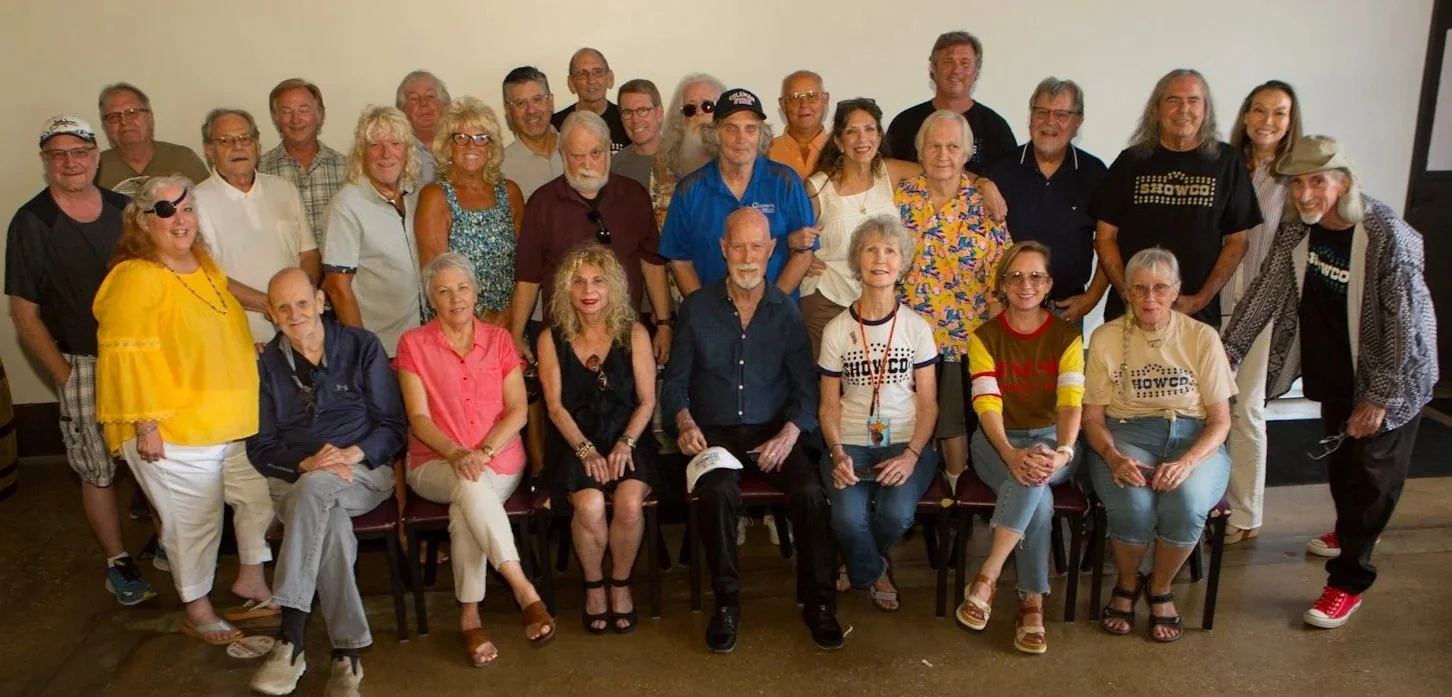
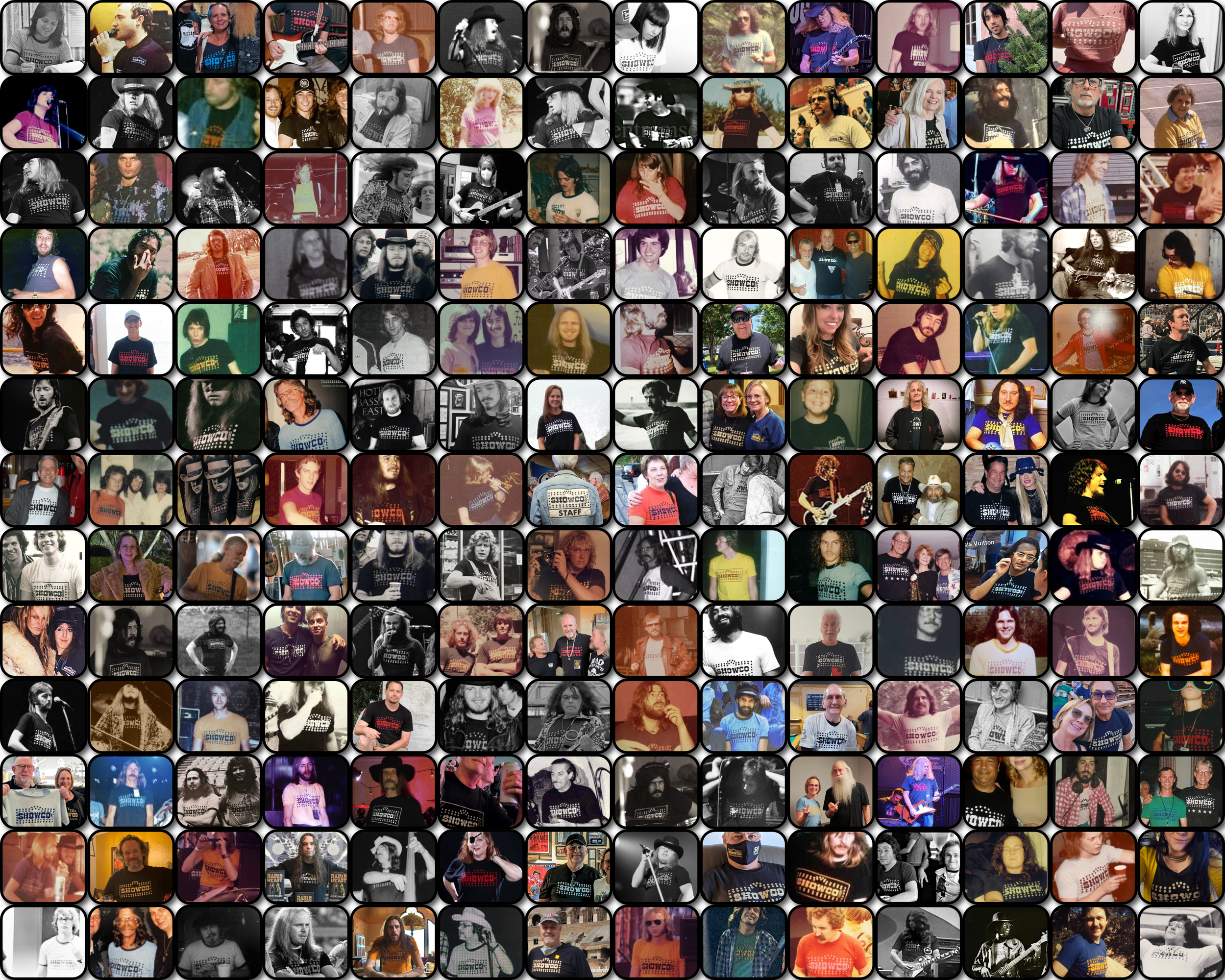
Showco’s history lives in the equipment and in the people who built it, loaded it, repaired it, operated it, and kept the production moving. Their work demanded ingenuity, endurance, and trust. Relationships formed in the shop, on the buses, and behind the stages became a community that lasted beyond individual tours and the company itself.
Showco was acquired by Clair Brothers in 2000. Its influence continued through its technology, working practices, and the generations of live-production professionals who carried that experience forward.
Preserving the family behind the music
Showco Archives brings together photographs, documents, equipment histories, memorabilia, and firsthand accounts to preserve this shared history.
Founded and curated by Indigo Kretzschmar-May, daughter of Showco senior sound engineer Donnie “DK” Kretzschmar, the archive connects the company’s technical achievements with the lives and experiences of its people.
Explore the timeline. Meet the alumni. Listen to their stories. Help identify a photograph, document a contribution, or preserve a memory.
Sources and further reading: Jim Bornhorst’s 2018 presentation; Jack Calmes history, Mix; Rusty Brutsche’s NAMM oral history; Showco’s 2000 acquisition announcement. See also the 1973 Billboard profile on David Alley’s page.
WHAT WAS SHOWCO?
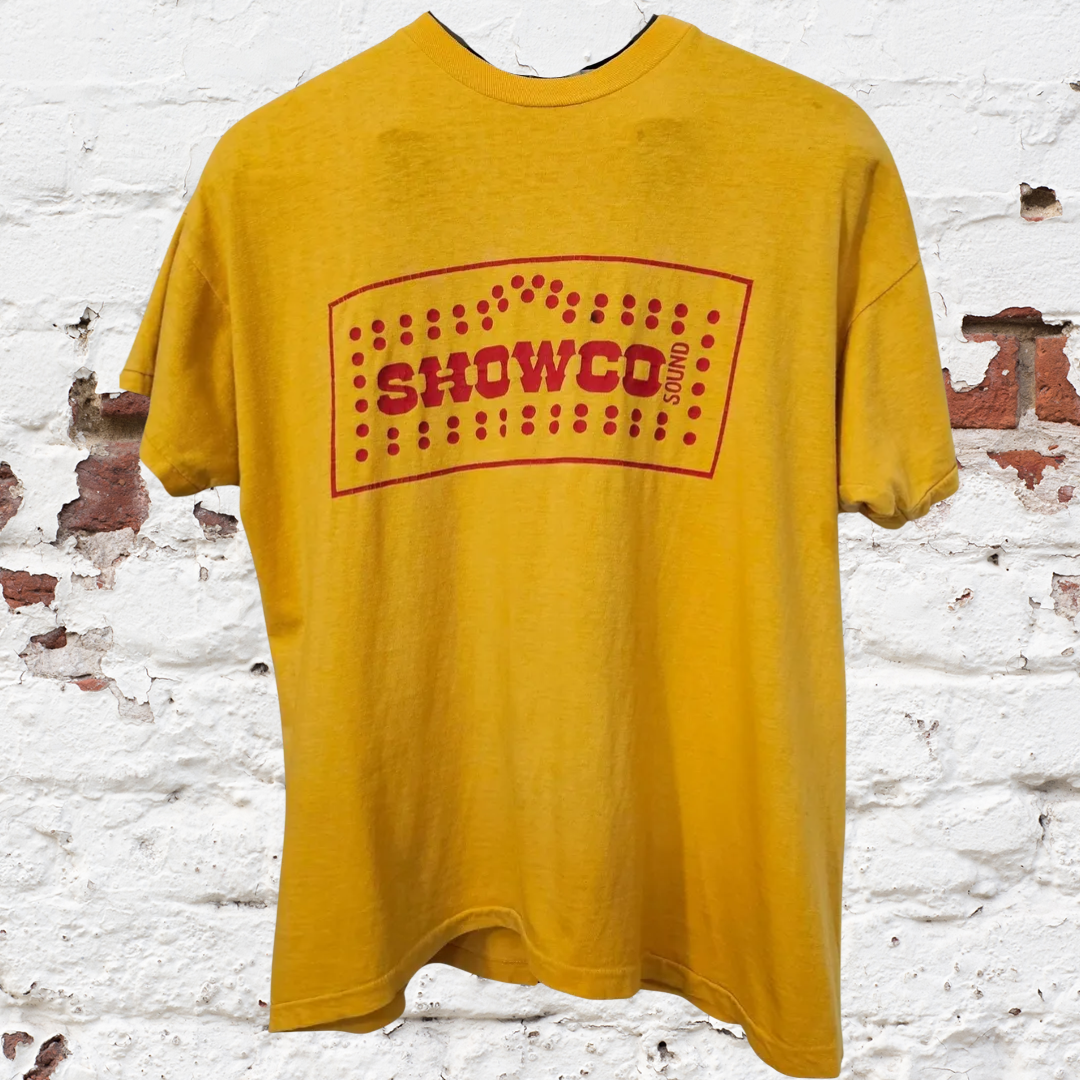
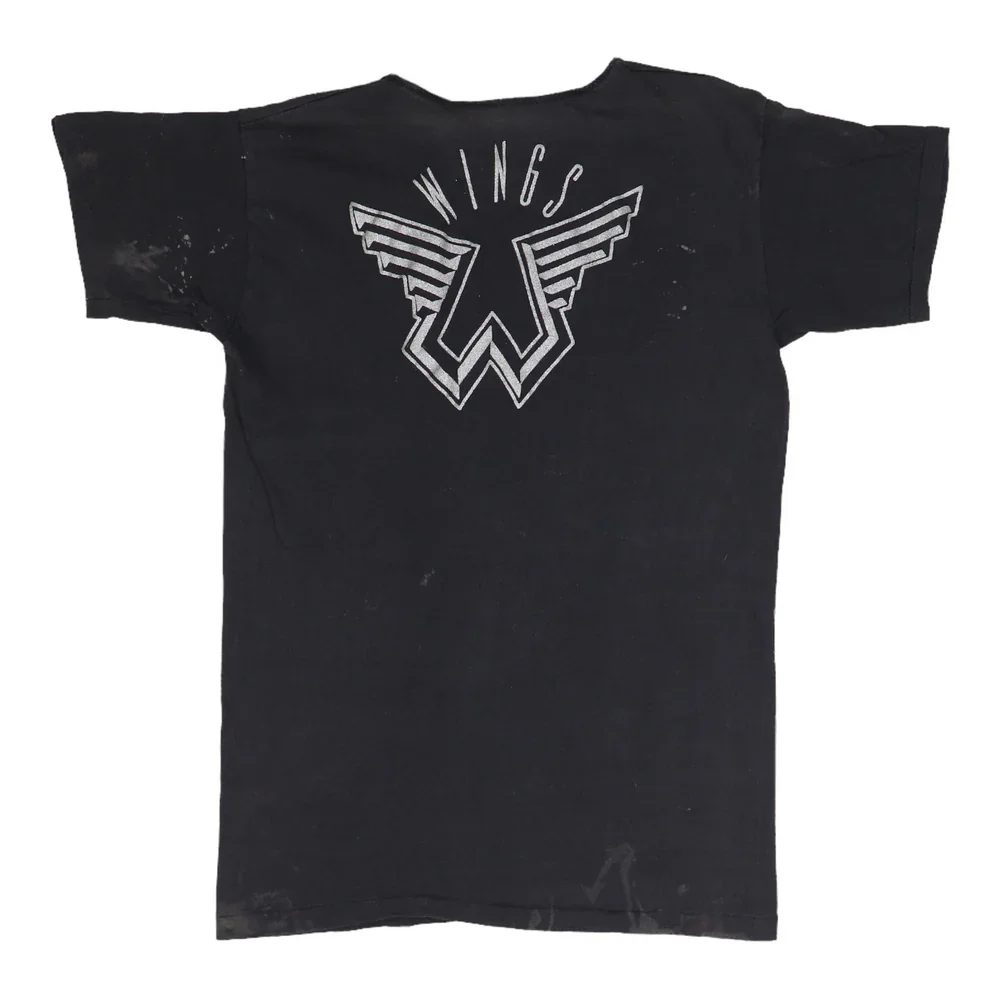
Explore & shop rare memorabilia and untold stories from the Showco Archives.
Showco Archives is in the middle of a website move. Some archive sections and alumni pages are still being scanned, digitized, and uploaded. If you can’t find something you saw on the old site, email Indigo Kretzschmar-May at indigo@showcoarchives.com